
Business
MEAI- Goa Chapter raises concern over 50% export duty on low-grade Iron Ore

-
/home/goakhabar/public_html/wp-content/plugins/mvp-social-buttons/mvp-social-buttons.php on line 117
- /home/goakhabar/public_html/wp-content/plugins/mvp-social-buttons/mvp-social-buttons.php on line 120
- /home/goakhabar/public_html/wp-content/plugins/mvp-social-buttons/mvp-social-buttons.php on line 123
- /home/goakhabar/public_html/wp-content/plugins/mvp-social-buttons/mvp-social-buttons.php on line 126
https://www.goakhabar.com/?p=87455&t=
Warning: Undefined variable $post in /home/goakhabar/public_html/wp-content/plugins/mvp-social-buttons/mvp-social-buttons.php on line 117
Warning: Attempt to read property "ID" on null in /home/goakhabar/public_html/wp-content/plugins/mvp-social-buttons/mvp-social-buttons.php on line 117
MEAI- Goa Chapter raises concern over 50% export duty on low-grade Iron Ore', 'facebookShare', 'width=626,height=436'); return false;" title="Share on Facebook">
MEAI- Goa Chapter raises concern over 50% export duty on low-grade Iron Ore &url=
Warning: Undefined variable $post in /home/goakhabar/public_html/wp-content/plugins/mvp-social-buttons/mvp-social-buttons.php on line 120
Warning: Attempt to read property "ID" on null in /home/goakhabar/public_html/wp-content/plugins/mvp-social-buttons/mvp-social-buttons.php on line 120
https://www.goakhabar.com/?p=87455', 'twitterShare', 'width=626,height=436'); return false;" title="Tweet This Post">
https://www.goakhabar.com/?p=87455&media=
Warning: Undefined variable $post in /home/goakhabar/public_html/wp-content/plugins/mvp-social-buttons/mvp-social-buttons.php on line 123
Warning: Attempt to read property "ID" on null in /home/goakhabar/public_html/wp-content/plugins/mvp-social-buttons/mvp-social-buttons.php on line 123
https://www.goakhabar.com/wp-content/uploads/2022/07/ore-590x354.jpeg&description=
Warning: Undefined variable $post in /home/goakhabar/public_html/wp-content/plugins/mvp-social-buttons/mvp-social-buttons.php on line 123
Warning: Attempt to read property "ID" on null in /home/goakhabar/public_html/wp-content/plugins/mvp-social-buttons/mvp-social-buttons.php on line 123
MEAI- Goa Chapter raises concern over 50% export duty on low-grade Iron Ore', 'pinterestShare', 'width=750,height=350'); return false;" title="Pin This Post">
MEAI- Goa Chapter raises concern over 50% export duty on low-grade Iron Ore&BODY=I found this article interesting and thought of sharing it with you. Check it out:
Warning: Undefined variable $post in /home/goakhabar/public_html/wp-content/plugins/mvp-social-buttons/mvp-social-buttons.php on line 126
Warning: Attempt to read property "ID" on null in /home/goakhabar/public_html/wp-content/plugins/mvp-social-buttons/mvp-social-buttons.php on line 126
https://www.goakhabar.com/?p=87455">
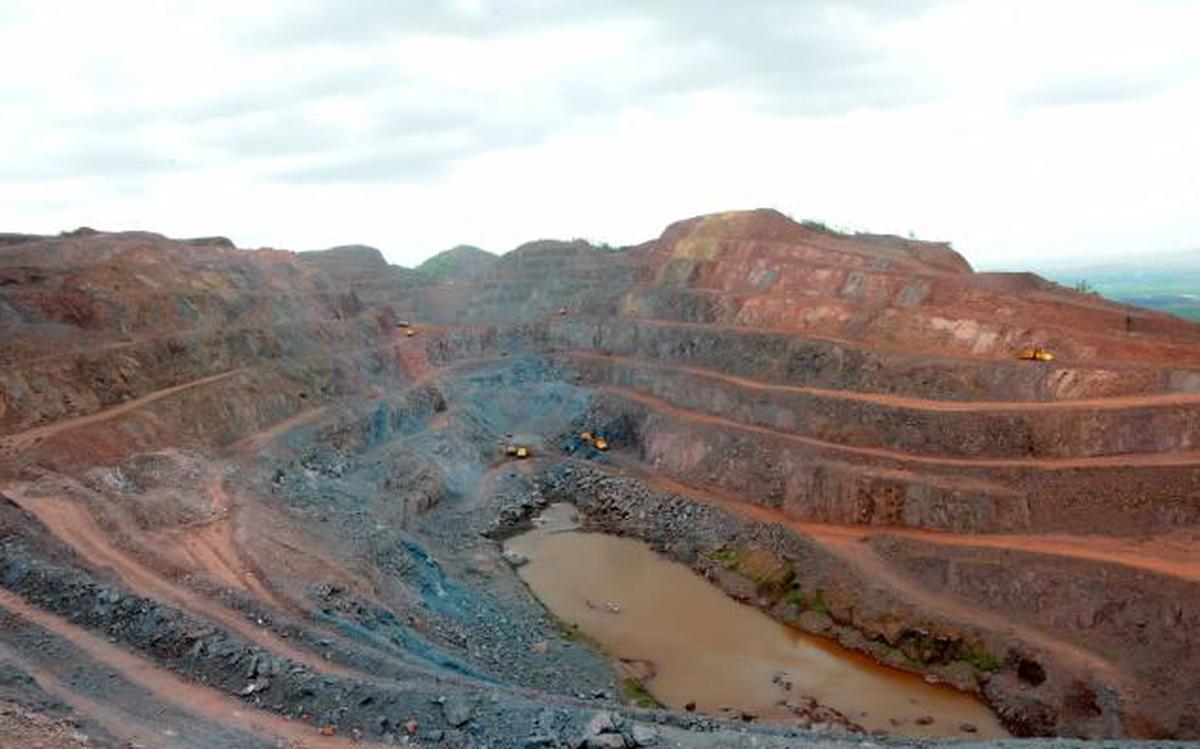
Goa Khabar: The Mining Engineers Association of India (MEAI) Goa- Chapter urged central govt. to review and completely withdraw 50% Export duty imposed on low grade Iron Ore (Below 58%).The associationclaimed that the imposition of export duty will have far-reaching ramifications not only on the iron ore mining industry in Goa, but also it will impact all the Iron ore mining operations across the country producing low grade iron ore. MEAI-Goa Chapter mentioned that Iron ore industry is already hit by several factors including 4 years long mining stoppage in the state of Goa leading to destruction of over 3 Lakh livelihoods.
This export duty structure by the central govt. will further worsen the situation by forcing many low grades Iron ore and merchant pig Iron producers to shut down their operations due to economic unviability of the operations, leading to job losses of the mining professionals and workforces engaged in such operations. MEAI- Goa Chapter expressed concern over huge stock piling of low-grade iron ore across all the mining operations in the country which is non saleable domestically and won’t be economically feasible for exports due to 50 % export duty.
The association also highlighted that imposition of export duty to the tune of 50% has made iron ore export unviable and is as good as export ban. This has already led to significant drop in iron ore prices across the country and has also reduced revenues accruing to State Govts in the form of auction premium, royalty, DMF and NMET. Lower collection of these funds and levies will adversely impact the state revenues and socio-economic development activities in the peripheral areas of the Iron Ore mines.
Mr. Joseph Coelho, Chairman- MEAI, Goa Chapter Said “First and Foremost we laud few landmark decisions taken by the government to curb inflation, including the withdrawal of import duty on coal. However, we believe that imposition of export duty on Iron Ore especially low grade (below 58% Fe) will not lead to any steel price reduction in the country since low grade iron Ore is not feasible for utilization in our country’s domestic steel operations unlike other steel
He also added that “Most of the integrated steel companies across the country meet their iron ore requirement from their captive mines and they also sell/export low-grade iron ore
Currently, a non-moving stock of close to 121 million tonnesof mainly low-grade iron ore is lying at mine-heads and in dumps in the country. In iron ore mining, lumps are generated to the tune of only 25-30%, and the balance of iron ore is in the form of fines. The fines below 58% Fe are non-saleable domestically and need to be stockpiled which occupies huge space in mines and may become an environmental hazard, while limiting the scope of scientific mining.
-
/home/goakhabar/public_html/wp-content/plugins/mvp-social-buttons/mvp-social-buttons.php on line 117
- /home/goakhabar/public_html/wp-content/plugins/mvp-social-buttons/mvp-social-buttons.php on line 120
- /home/goakhabar/public_html/wp-content/plugins/mvp-social-buttons/mvp-social-buttons.php on line 123
- /home/goakhabar/public_html/wp-content/plugins/mvp-social-buttons/mvp-social-buttons.php on line 126
https://www.goakhabar.com/?p=87455&t=
Warning: Undefined variable $post in /home/goakhabar/public_html/wp-content/plugins/mvp-social-buttons/mvp-social-buttons.php on line 117
Warning: Attempt to read property "ID" on null in /home/goakhabar/public_html/wp-content/plugins/mvp-social-buttons/mvp-social-buttons.php on line 117
MEAI- Goa Chapter raises concern over 50% export duty on low-grade Iron Ore', 'facebookShare', 'width=626,height=436'); return false;" title="Share on Facebook">
MEAI- Goa Chapter raises concern over 50% export duty on low-grade Iron Ore &url=
Warning: Undefined variable $post in /home/goakhabar/public_html/wp-content/plugins/mvp-social-buttons/mvp-social-buttons.php on line 120
Warning: Attempt to read property "ID" on null in /home/goakhabar/public_html/wp-content/plugins/mvp-social-buttons/mvp-social-buttons.php on line 120
https://www.goakhabar.com/?p=87455', 'twitterShare', 'width=626,height=436'); return false;" title="Tweet This Post">
https://www.goakhabar.com/?p=87455&media=
Warning: Undefined variable $post in /home/goakhabar/public_html/wp-content/plugins/mvp-social-buttons/mvp-social-buttons.php on line 123
Warning: Attempt to read property "ID" on null in /home/goakhabar/public_html/wp-content/plugins/mvp-social-buttons/mvp-social-buttons.php on line 123
https://www.goakhabar.com/wp-content/uploads/2022/07/ore-590x354.jpeg&description=
Warning: Undefined variable $post in /home/goakhabar/public_html/wp-content/plugins/mvp-social-buttons/mvp-social-buttons.php on line 123
Warning: Attempt to read property "ID" on null in /home/goakhabar/public_html/wp-content/plugins/mvp-social-buttons/mvp-social-buttons.php on line 123
MEAI- Goa Chapter raises concern over 50% export duty on low-grade Iron Ore', 'pinterestShare', 'width=750,height=350'); return false;" title="Pin This Post">
MEAI- Goa Chapter raises concern over 50% export duty on low-grade Iron Ore&BODY=I found this article interesting and thought of sharing it with you. Check it out:
Warning: Undefined variable $post in /home/goakhabar/public_html/wp-content/plugins/mvp-social-buttons/mvp-social-buttons.php on line 126
Warning: Attempt to read property "ID" on null in /home/goakhabar/public_html/wp-content/plugins/mvp-social-buttons/mvp-social-buttons.php on line 126
https://www.goakhabar.com/?p=87455">