
गोवा खबर
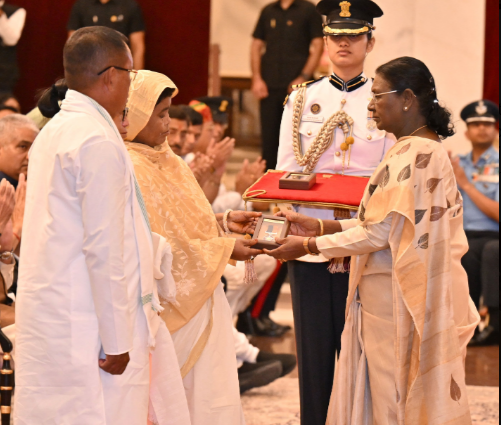
In Service of India: Muslim Gallantry Awardees Reflect a Legacy of Courage and Duty

-
/home/goakhabar/public_html/wp-content/plugins/mvp-social-buttons/mvp-social-buttons.php on line 117
- /home/goakhabar/public_html/wp-content/plugins/mvp-social-buttons/mvp-social-buttons.php on line 120
- /home/goakhabar/public_html/wp-content/plugins/mvp-social-buttons/mvp-social-buttons.php on line 123
- /home/goakhabar/public_html/wp-content/plugins/mvp-social-buttons/mvp-social-buttons.php on line 126
https://www.goakhabar.com/?p=113317&t=
Warning: Undefined variable $post in /home/goakhabar/public_html/wp-content/plugins/mvp-social-buttons/mvp-social-buttons.php on line 117
Warning: Attempt to read property "ID" on null in /home/goakhabar/public_html/wp-content/plugins/mvp-social-buttons/mvp-social-buttons.php on line 117
In Service of India: Muslim Gallantry Awardees Reflect a Legacy of Courage and Duty', 'facebookShare', 'width=626,height=436'); return false;" title="Share on Facebook">
In Service of India: Muslim Gallantry Awardees Reflect a Legacy of Courage and Duty &url=
Warning: Undefined variable $post in /home/goakhabar/public_html/wp-content/plugins/mvp-social-buttons/mvp-social-buttons.php on line 120
Warning: Attempt to read property "ID" on null in /home/goakhabar/public_html/wp-content/plugins/mvp-social-buttons/mvp-social-buttons.php on line 120
https://www.goakhabar.com/?p=113317', 'twitterShare', 'width=626,height=436'); return false;" title="Tweet This Post">
https://www.goakhabar.com/?p=113317&media=
Warning: Undefined variable $post in /home/goakhabar/public_html/wp-content/plugins/mvp-social-buttons/mvp-social-buttons.php on line 123
Warning: Attempt to read property "ID" on null in /home/goakhabar/public_html/wp-content/plugins/mvp-social-buttons/mvp-social-buttons.php on line 123
https://www.goakhabar.com/wp-content/uploads/2026/06/1781235596imteyaz-501x354.png&description=
Warning: Undefined variable $post in /home/goakhabar/public_html/wp-content/plugins/mvp-social-buttons/mvp-social-buttons.php on line 123
Warning: Attempt to read property "ID" on null in /home/goakhabar/public_html/wp-content/plugins/mvp-social-buttons/mvp-social-buttons.php on line 123
In Service of India: Muslim Gallantry Awardees Reflect a Legacy of Courage and Duty', 'pinterestShare', 'width=750,height=350'); return false;" title="Pin This Post">
In Service of India: Muslim Gallantry Awardees Reflect a Legacy of Courage and Duty&BODY=I found this article interesting and thought of sharing it with you. Check it out:
Warning: Undefined variable $post in /home/goakhabar/public_html/wp-content/plugins/mvp-social-buttons/mvp-social-buttons.php on line 126
Warning: Attempt to read property "ID" on null in /home/goakhabar/public_html/wp-content/plugins/mvp-social-buttons/mvp-social-buttons.php on line 126
https://www.goakhabar.com/?p=113317">
-
/home/goakhabar/public_html/wp-content/plugins/mvp-social-buttons/mvp-social-buttons.php on line 117
- /home/goakhabar/public_html/wp-content/plugins/mvp-social-buttons/mvp-social-buttons.php on line 120
- /home/goakhabar/public_html/wp-content/plugins/mvp-social-buttons/mvp-social-buttons.php on line 123
- /home/goakhabar/public_html/wp-content/plugins/mvp-social-buttons/mvp-social-buttons.php on line 126
https://www.goakhabar.com/?p=113317&t=
Warning: Undefined variable $post in /home/goakhabar/public_html/wp-content/plugins/mvp-social-buttons/mvp-social-buttons.php on line 117
Warning: Attempt to read property "ID" on null in /home/goakhabar/public_html/wp-content/plugins/mvp-social-buttons/mvp-social-buttons.php on line 117
In Service of India: Muslim Gallantry Awardees Reflect a Legacy of Courage and Duty', 'facebookShare', 'width=626,height=436'); return false;" title="Share on Facebook">
In Service of India: Muslim Gallantry Awardees Reflect a Legacy of Courage and Duty &url=
Warning: Undefined variable $post in /home/goakhabar/public_html/wp-content/plugins/mvp-social-buttons/mvp-social-buttons.php on line 120
Warning: Attempt to read property "ID" on null in /home/goakhabar/public_html/wp-content/plugins/mvp-social-buttons/mvp-social-buttons.php on line 120
https://www.goakhabar.com/?p=113317', 'twitterShare', 'width=626,height=436'); return false;" title="Tweet This Post">
https://www.goakhabar.com/?p=113317&media=
Warning: Undefined variable $post in /home/goakhabar/public_html/wp-content/plugins/mvp-social-buttons/mvp-social-buttons.php on line 123
Warning: Attempt to read property "ID" on null in /home/goakhabar/public_html/wp-content/plugins/mvp-social-buttons/mvp-social-buttons.php on line 123
https://www.goakhabar.com/wp-content/uploads/2026/06/1781235596imteyaz-501x354.png&description=
Warning: Undefined variable $post in /home/goakhabar/public_html/wp-content/plugins/mvp-social-buttons/mvp-social-buttons.php on line 123
Warning: Attempt to read property "ID" on null in /home/goakhabar/public_html/wp-content/plugins/mvp-social-buttons/mvp-social-buttons.php on line 123
In Service of India: Muslim Gallantry Awardees Reflect a Legacy of Courage and Duty', 'pinterestShare', 'width=750,height=350'); return false;" title="Pin This Post">
In Service of India: Muslim Gallantry Awardees Reflect a Legacy of Courage and Duty&BODY=I found this article interesting and thought of sharing it with you. Check it out:
Warning: Undefined variable $post in /home/goakhabar/public_html/wp-content/plugins/mvp-social-buttons/mvp-social-buttons.php on line 126
Warning: Attempt to read property "ID" on null in /home/goakhabar/public_html/wp-content/plugins/mvp-social-buttons/mvp-social-buttons.php on line 126
https://www.goakhabar.com/?p=113317">