

इंग्लिश खबर
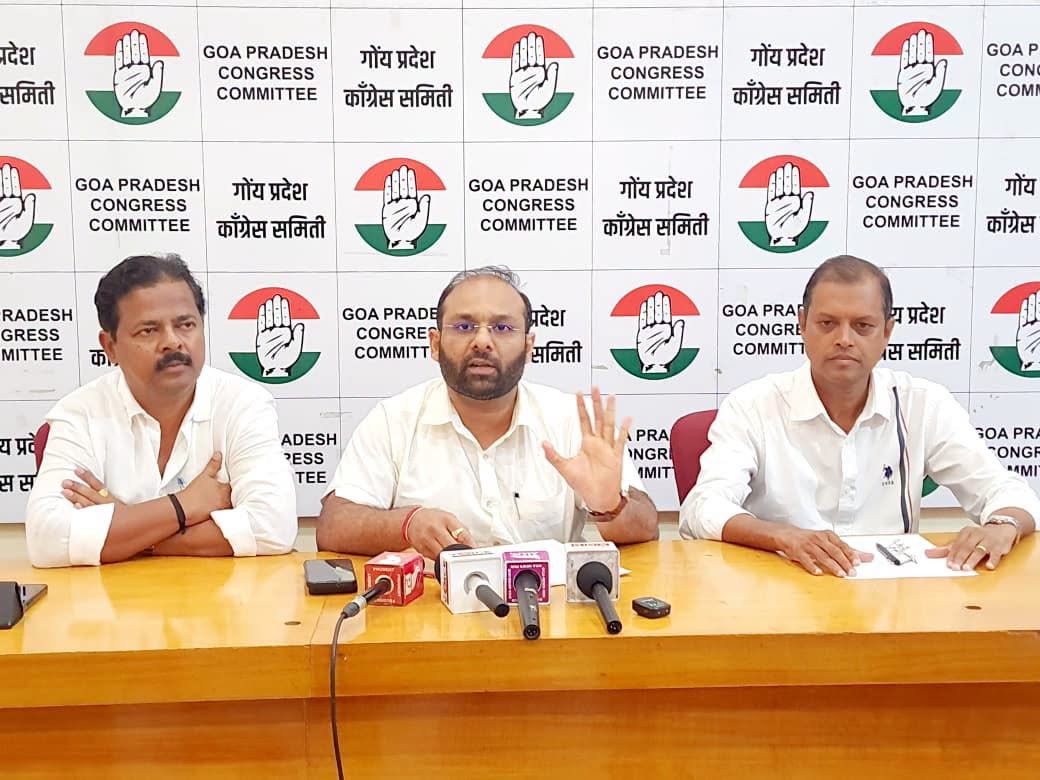
Congress Demands Immediate Suspension and Independent Review of E-20 Fuel Rollout Raises Questions on Consumer Losses, Conflict of Interest, and Goa’s Ecology

-
/home/goakhabar/public_html/wp-content/plugins/mvp-social-buttons/mvp-social-buttons.php on line 117
- /home/goakhabar/public_html/wp-content/plugins/mvp-social-buttons/mvp-social-buttons.php on line 120
- /home/goakhabar/public_html/wp-content/plugins/mvp-social-buttons/mvp-social-buttons.php on line 123
- /home/goakhabar/public_html/wp-content/plugins/mvp-social-buttons/mvp-social-buttons.php on line 126
https://www.goakhabar.com/?p=114017&t=
Warning: Undefined variable $post in /home/goakhabar/public_html/wp-content/plugins/mvp-social-buttons/mvp-social-buttons.php on line 117
Warning: Attempt to read property "ID" on null in /home/goakhabar/public_html/wp-content/plugins/mvp-social-buttons/mvp-social-buttons.php on line 117
Congress Demands Immediate Suspension and Independent Review of E-20 Fuel Rollout Raises Questions on Consumer Losses, Conflict of Interest, and Goa’s Ecology', 'facebookShare', 'width=626,height=436'); return false;" title="Share on Facebook">
Congress Demands Immediate Suspension and Independent Review of E-20 Fuel Rollout Raises Questions on Consumer Losses, Conflict of Interest, and Goa’s Ecology &url=
Warning: Undefined variable $post in /home/goakhabar/public_html/wp-content/plugins/mvp-social-buttons/mvp-social-buttons.php on line 120
Warning: Attempt to read property "ID" on null in /home/goakhabar/public_html/wp-content/plugins/mvp-social-buttons/mvp-social-buttons.php on line 120
https://www.goakhabar.com/?p=114017', 'twitterShare', 'width=626,height=436'); return false;" title="Tweet This Post">
https://www.goakhabar.com/?p=114017&media=
Warning: Undefined variable $post in /home/goakhabar/public_html/wp-content/plugins/mvp-social-buttons/mvp-social-buttons.php on line 123
Warning: Attempt to read property "ID" on null in /home/goakhabar/public_html/wp-content/plugins/mvp-social-buttons/mvp-social-buttons.php on line 123
https://www.goakhabar.com/wp-content/uploads/2026/07/748026175_1016310054560004_8056749494492770625_n-590x354.jpeg&description=
Warning: Undefined variable $post in /home/goakhabar/public_html/wp-content/plugins/mvp-social-buttons/mvp-social-buttons.php on line 123
Warning: Attempt to read property "ID" on null in /home/goakhabar/public_html/wp-content/plugins/mvp-social-buttons/mvp-social-buttons.php on line 123
Congress Demands Immediate Suspension and Independent Review of E-20 Fuel Rollout Raises Questions on Consumer Losses, Conflict of Interest, and Goa’s Ecology', 'pinterestShare', 'width=750,height=350'); return false;" title="Pin This Post">
Congress Demands Immediate Suspension and Independent Review of E-20 Fuel Rollout Raises Questions on Consumer Losses, Conflict of Interest, and Goa’s Ecology&BODY=I found this article interesting and thought of sharing it with you. Check it out:
Warning: Undefined variable $post in /home/goakhabar/public_html/wp-content/plugins/mvp-social-buttons/mvp-social-buttons.php on line 126
Warning: Attempt to read property "ID" on null in /home/goakhabar/public_html/wp-content/plugins/mvp-social-buttons/mvp-social-buttons.php on line 126
https://www.goakhabar.com/?p=114017">
-
/home/goakhabar/public_html/wp-content/plugins/mvp-social-buttons/mvp-social-buttons.php on line 117
- /home/goakhabar/public_html/wp-content/plugins/mvp-social-buttons/mvp-social-buttons.php on line 120
- /home/goakhabar/public_html/wp-content/plugins/mvp-social-buttons/mvp-social-buttons.php on line 123
- /home/goakhabar/public_html/wp-content/plugins/mvp-social-buttons/mvp-social-buttons.php on line 126
https://www.goakhabar.com/?p=114017&t=
Warning: Undefined variable $post in /home/goakhabar/public_html/wp-content/plugins/mvp-social-buttons/mvp-social-buttons.php on line 117
Warning: Attempt to read property "ID" on null in /home/goakhabar/public_html/wp-content/plugins/mvp-social-buttons/mvp-social-buttons.php on line 117
Congress Demands Immediate Suspension and Independent Review of E-20 Fuel Rollout Raises Questions on Consumer Losses, Conflict of Interest, and Goa’s Ecology', 'facebookShare', 'width=626,height=436'); return false;" title="Share on Facebook">
Congress Demands Immediate Suspension and Independent Review of E-20 Fuel Rollout Raises Questions on Consumer Losses, Conflict of Interest, and Goa’s Ecology &url=
Warning: Undefined variable $post in /home/goakhabar/public_html/wp-content/plugins/mvp-social-buttons/mvp-social-buttons.php on line 120
Warning: Attempt to read property "ID" on null in /home/goakhabar/public_html/wp-content/plugins/mvp-social-buttons/mvp-social-buttons.php on line 120
https://www.goakhabar.com/?p=114017', 'twitterShare', 'width=626,height=436'); return false;" title="Tweet This Post">
https://www.goakhabar.com/?p=114017&media=
Warning: Undefined variable $post in /home/goakhabar/public_html/wp-content/plugins/mvp-social-buttons/mvp-social-buttons.php on line 123
Warning: Attempt to read property "ID" on null in /home/goakhabar/public_html/wp-content/plugins/mvp-social-buttons/mvp-social-buttons.php on line 123
https://www.goakhabar.com/wp-content/uploads/2026/07/748026175_1016310054560004_8056749494492770625_n-590x354.jpeg&description=
Warning: Undefined variable $post in /home/goakhabar/public_html/wp-content/plugins/mvp-social-buttons/mvp-social-buttons.php on line 123
Warning: Attempt to read property "ID" on null in /home/goakhabar/public_html/wp-content/plugins/mvp-social-buttons/mvp-social-buttons.php on line 123
Congress Demands Immediate Suspension and Independent Review of E-20 Fuel Rollout Raises Questions on Consumer Losses, Conflict of Interest, and Goa’s Ecology', 'pinterestShare', 'width=750,height=350'); return false;" title="Pin This Post">
Congress Demands Immediate Suspension and Independent Review of E-20 Fuel Rollout Raises Questions on Consumer Losses, Conflict of Interest, and Goa’s Ecology&BODY=I found this article interesting and thought of sharing it with you. Check it out:
Warning: Undefined variable $post in /home/goakhabar/public_html/wp-content/plugins/mvp-social-buttons/mvp-social-buttons.php on line 126
Warning: Attempt to read property "ID" on null in /home/goakhabar/public_html/wp-content/plugins/mvp-social-buttons/mvp-social-buttons.php on line 126
https://www.goakhabar.com/?p=114017">