
इंग्लिश खबर
Sports Infrastructure Must Build Champions, Not Private Profits: Vijai Sardesai

-
/home/goakhabar/public_html/wp-content/plugins/mvp-social-buttons/mvp-social-buttons.php on line 117
- /home/goakhabar/public_html/wp-content/plugins/mvp-social-buttons/mvp-social-buttons.php on line 120
- /home/goakhabar/public_html/wp-content/plugins/mvp-social-buttons/mvp-social-buttons.php on line 123
- /home/goakhabar/public_html/wp-content/plugins/mvp-social-buttons/mvp-social-buttons.php on line 126
https://www.goakhabar.com/?p=113365&t=
Warning: Undefined variable $post in /home/goakhabar/public_html/wp-content/plugins/mvp-social-buttons/mvp-social-buttons.php on line 117
Warning: Attempt to read property "ID" on null in /home/goakhabar/public_html/wp-content/plugins/mvp-social-buttons/mvp-social-buttons.php on line 117
Sports Infrastructure Must Build Champions, Not Private Profits: Vijai Sardesai', 'facebookShare', 'width=626,height=436'); return false;" title="Share on Facebook">
Sports Infrastructure Must Build Champions, Not Private Profits: Vijai Sardesai &url=
Warning: Undefined variable $post in /home/goakhabar/public_html/wp-content/plugins/mvp-social-buttons/mvp-social-buttons.php on line 120
Warning: Attempt to read property "ID" on null in /home/goakhabar/public_html/wp-content/plugins/mvp-social-buttons/mvp-social-buttons.php on line 120
https://www.goakhabar.com/?p=113365', 'twitterShare', 'width=626,height=436'); return false;" title="Tweet This Post">
https://www.goakhabar.com/?p=113365&media=
Warning: Undefined variable $post in /home/goakhabar/public_html/wp-content/plugins/mvp-social-buttons/mvp-social-buttons.php on line 123
Warning: Attempt to read property "ID" on null in /home/goakhabar/public_html/wp-content/plugins/mvp-social-buttons/mvp-social-buttons.php on line 123
https://www.goakhabar.com/wp-content/uploads/2026/06/1000229372-scaled-1-590x354.jpg&description=
Warning: Undefined variable $post in /home/goakhabar/public_html/wp-content/plugins/mvp-social-buttons/mvp-social-buttons.php on line 123
Warning: Attempt to read property "ID" on null in /home/goakhabar/public_html/wp-content/plugins/mvp-social-buttons/mvp-social-buttons.php on line 123
Sports Infrastructure Must Build Champions, Not Private Profits: Vijai Sardesai', 'pinterestShare', 'width=750,height=350'); return false;" title="Pin This Post">
Sports Infrastructure Must Build Champions, Not Private Profits: Vijai Sardesai&BODY=I found this article interesting and thought of sharing it with you. Check it out:
Warning: Undefined variable $post in /home/goakhabar/public_html/wp-content/plugins/mvp-social-buttons/mvp-social-buttons.php on line 126
Warning: Attempt to read property "ID" on null in /home/goakhabar/public_html/wp-content/plugins/mvp-social-buttons/mvp-social-buttons.php on line 126
https://www.goakhabar.com/?p=113365">
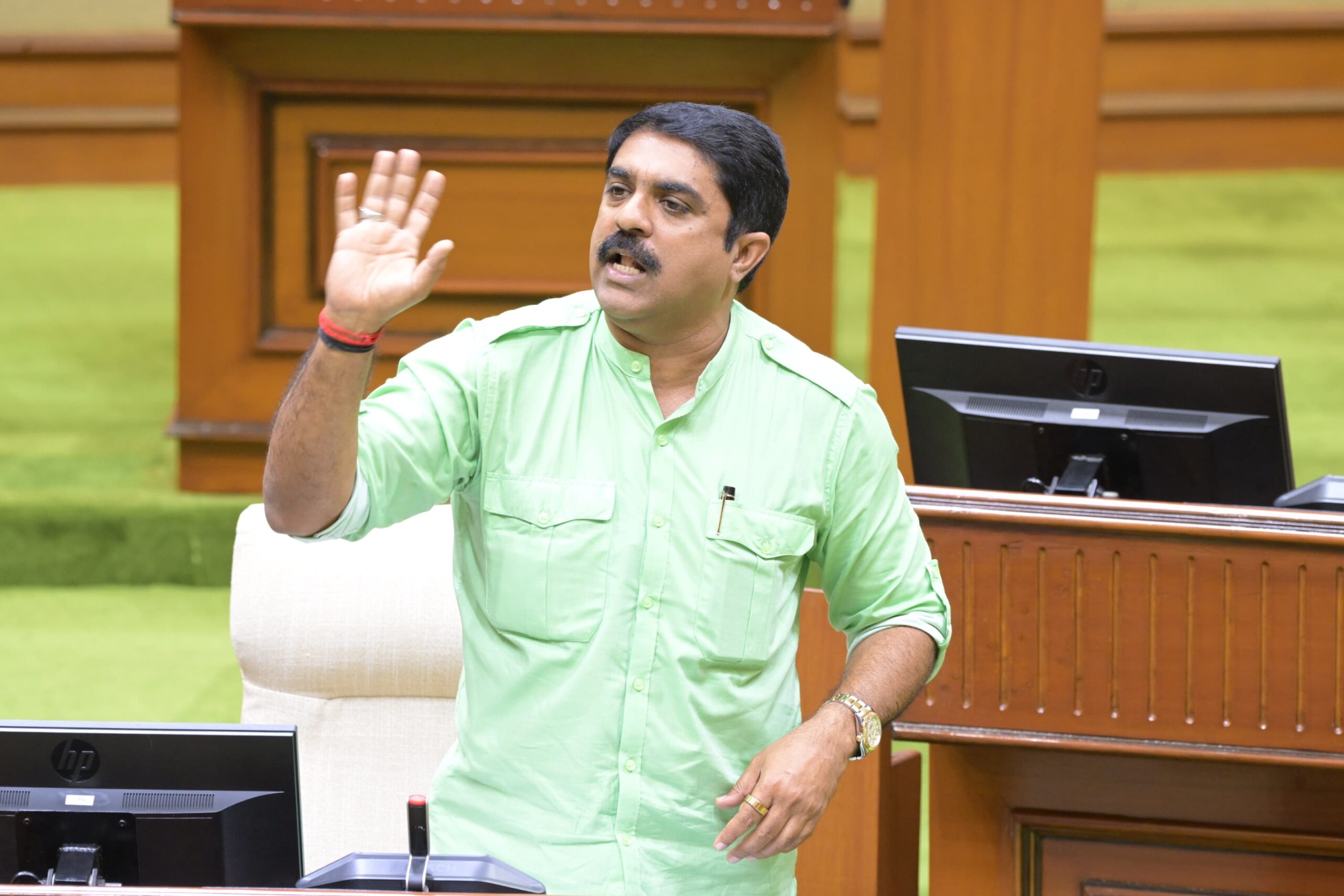
Goa Khabar : Goa Forward Party President and Fatorda MLA Vijai Sardesai today expressed concern over recent media reports suggesting that the 35- Crore Campal Sports complex is set to be handed over to a private operator without consultation. He said the reports raise important questions about the BJP Government’s approach to public sports infrastructure and the need for complete transparency.
Sardesai said that, if the media reports are accurate, Goa is witnessing the emergence of a clear “BJP Model” of sports development. “After the Government’s decision to entrust the management of the Dr. Shyama Prasad Mukherjee Indoor Stadium at Bambolim to a private operator, media reports now indicate that a similar approach is probably being adopted for the Campal Sports Complex. The Government must come clean on the exact nature and extent of the proposed commercial arrangements,” he said.
“The question before Goa is simple. Are we building sports facilities for our children or are we building commercial opportunities around public sports infrastructure?” Sardesai asked.
He said that irrespective of the exact structure of the proposal reported in the media, the Government must ensure that public investment in sports infrastructure never compromises accessibility for children, schools, local clubs and aspiring athletes.
While stating that certain non-sports services within the complex, such as canteen services, solar power installation etc. may be leased to private entities, he stated that the primary sports infrastructure within the complex must be available for nurturing the talent of young people, whether they come from a rich or poor background.
“A sporting culture is created when every child has a ground to play on every evening, when local clubs have affordable access, when schools can use these facilities regularly and when talented youngsters receive quality coaching. Stadiums do not produce champions. Accessible facilities, good coaches and sustained grassroots development do,” he said.
Sardesai pointed out that despite spending enormous sums on sports infrastructure over the last decade, Goa still struggles to produce enough elite athletes.
“During the National Games, we had to import sportspersons from outside Goa to improve our medal tally. That itself is proof that the Government has failed to build a strong grassroots sporting ecosystem. Instead of investing in local talent, coaching, sports science, research and athlete development, the focus appears to be shifting towards the commercial exploitation of public sports infrastructure.”
He said the Government should instead encourage private participation through sponsorship of athletes, support for local clubs, coaching academies, sports science, physiotherapy, nutrition, research and development, and grassroots tournaments.
Sardesai also questioned why Goa’s own football institutions were not considered. “Goa is home to two of the country’s most respected football clubs, Dempo Sports Club and Sporting Clube de Goa, both with decades of experience in nurturing local talent. If partnerships are required, the Government should first explore working with Goan sporting institutions to strengthen grassroots football and athlete development.”
Drawing a contrast with the development model followed in Fatorda, Sardesai said that investments have focused on creating neighbourhood sports infrastructure that remains accessible to the community and is actively used by schools, youth clubs and local residents.
“The success of a sports policy should not be measured by how much revenue a sports facility earns. It should be measured by how many children are playing, how many local tournaments are organised and how many Goan athletes go on to represent the State and the country.”
He demanded that the Government place a white paper before the youth on the progress of Goa in sports after the 2023 National Games.
“Public sports infrastructure belongs to the people of Goa. It exists to nurture future generations of athletes, not merely to generate commercial returns. Our priority should be creating a sporting culture, not a commercial culture around sports,” Sardesai said.
-
/home/goakhabar/public_html/wp-content/plugins/mvp-social-buttons/mvp-social-buttons.php on line 117
- /home/goakhabar/public_html/wp-content/plugins/mvp-social-buttons/mvp-social-buttons.php on line 120
- /home/goakhabar/public_html/wp-content/plugins/mvp-social-buttons/mvp-social-buttons.php on line 123
- /home/goakhabar/public_html/wp-content/plugins/mvp-social-buttons/mvp-social-buttons.php on line 126
https://www.goakhabar.com/?p=113365&t=
Warning: Undefined variable $post in /home/goakhabar/public_html/wp-content/plugins/mvp-social-buttons/mvp-social-buttons.php on line 117
Warning: Attempt to read property "ID" on null in /home/goakhabar/public_html/wp-content/plugins/mvp-social-buttons/mvp-social-buttons.php on line 117
Sports Infrastructure Must Build Champions, Not Private Profits: Vijai Sardesai', 'facebookShare', 'width=626,height=436'); return false;" title="Share on Facebook">
Sports Infrastructure Must Build Champions, Not Private Profits: Vijai Sardesai &url=
Warning: Undefined variable $post in /home/goakhabar/public_html/wp-content/plugins/mvp-social-buttons/mvp-social-buttons.php on line 120
Warning: Attempt to read property "ID" on null in /home/goakhabar/public_html/wp-content/plugins/mvp-social-buttons/mvp-social-buttons.php on line 120
https://www.goakhabar.com/?p=113365', 'twitterShare', 'width=626,height=436'); return false;" title="Tweet This Post">
https://www.goakhabar.com/?p=113365&media=
Warning: Undefined variable $post in /home/goakhabar/public_html/wp-content/plugins/mvp-social-buttons/mvp-social-buttons.php on line 123
Warning: Attempt to read property "ID" on null in /home/goakhabar/public_html/wp-content/plugins/mvp-social-buttons/mvp-social-buttons.php on line 123
https://www.goakhabar.com/wp-content/uploads/2026/06/1000229372-scaled-1-590x354.jpg&description=
Warning: Undefined variable $post in /home/goakhabar/public_html/wp-content/plugins/mvp-social-buttons/mvp-social-buttons.php on line 123
Warning: Attempt to read property "ID" on null in /home/goakhabar/public_html/wp-content/plugins/mvp-social-buttons/mvp-social-buttons.php on line 123
Sports Infrastructure Must Build Champions, Not Private Profits: Vijai Sardesai', 'pinterestShare', 'width=750,height=350'); return false;" title="Pin This Post">
Sports Infrastructure Must Build Champions, Not Private Profits: Vijai Sardesai&BODY=I found this article interesting and thought of sharing it with you. Check it out:
Warning: Undefined variable $post in /home/goakhabar/public_html/wp-content/plugins/mvp-social-buttons/mvp-social-buttons.php on line 126
Warning: Attempt to read property "ID" on null in /home/goakhabar/public_html/wp-content/plugins/mvp-social-buttons/mvp-social-buttons.php on line 126
https://www.goakhabar.com/?p=113365">